
Each month, we send a newsletter that brings together a selection of data points, people, ideas, projects, films and perspectives from the worlds of culture, technology and society. A space to discover something new, challenge assumptions and broaden our understanding of what might come next and how we can prepare for it.
A Note from Ovn
We often think about the future in terms of what is new and disruptive: new technologies, new ideas, risks and new ways of living. But the future is for a large part shaped by what we carry forward, what we choose to change and whose voices are part of the conversation. This raises an important question: how do we decide what to protect, encourage to grow or stop and slow down? At the studio, we keep returning to this relationship between past, present and future, looking back and forward, and the choices that connect them.
The Big Question
Who gets to shape the future?
The future is often imagined from a limited perspective, shaped by the countries, cultures, companies and institutions that hold the most influence. But the world is changing, and so are the voices, ideas and ambitions that will shape what comes next.
As populations shift and new economic and cultural centres emerge, the way we understand progress, opportunity and growth will also change. Different histories, values and experiences bring different ideas about what a future could look like.
The question is whether we are ready to broaden our perspective and make room for these voices. The future is not something that belongs to one generation, one culture or one part of the world. It is something we all have a role in shaping.
Signals
A First for Africa
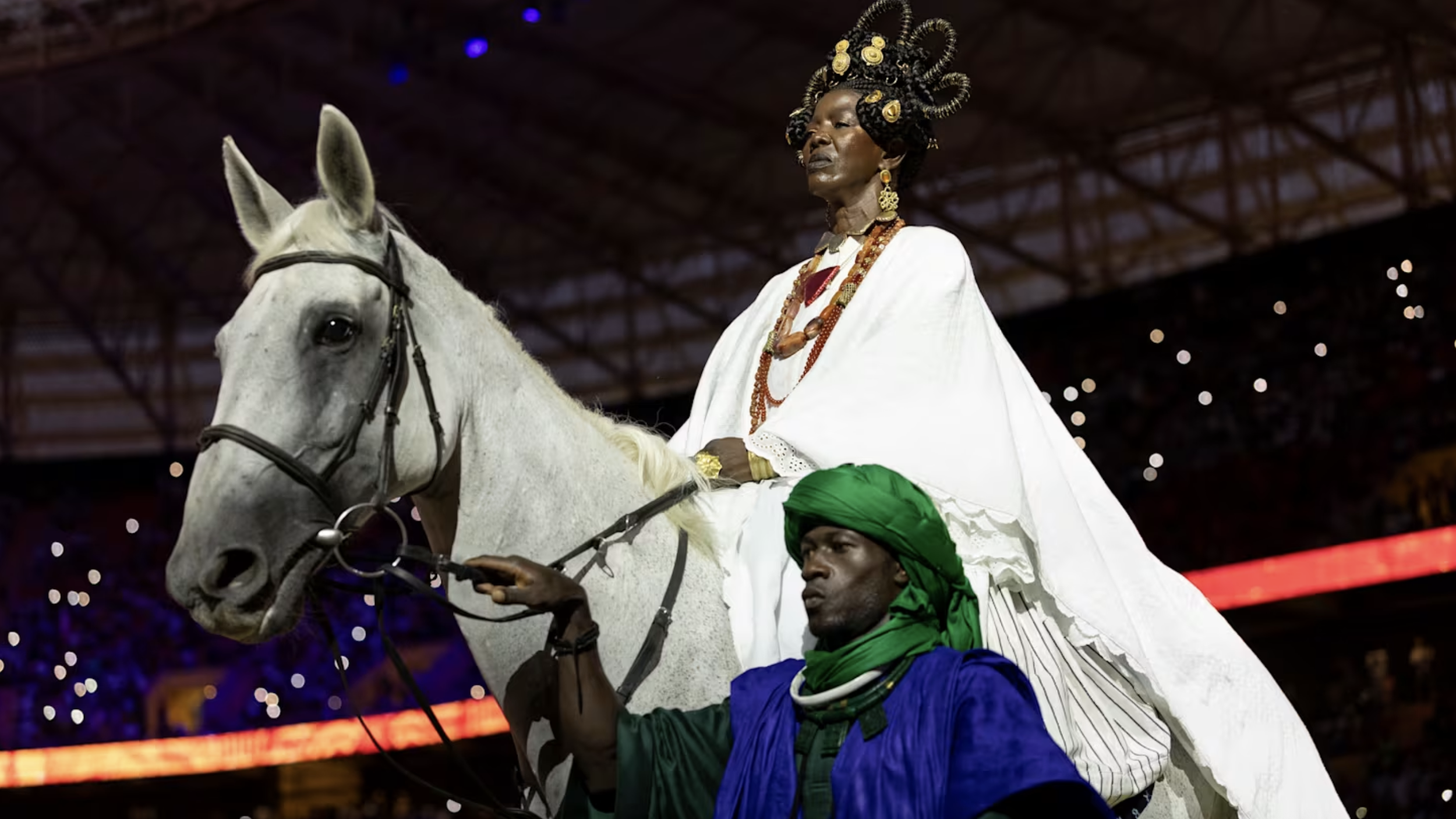
On 31 October, the Dakar 2026 Youth Olympic Games opened in Senegal, marking the first Olympic event ever held in Africa. The opening ceremony celebrated the continent's history and cultural heritage through three symbolic generations: Alkebulan, representing ancestral Africa; her son Keb, representing the present; and his daughter Sitoé, representing the future. Together, they told a story of how history, identity and cultural values are passed from one generation to the next.
The ceremony was more than a celebration of sport. It placed African heritage, creativity and young generations at the centre of a global event. Sitoé, named after Senegalese resistance leader Aline Sitoé Diatta, represented a new generation carrying its history forward while shaping its own future. A country's vision of the future begins with its history, people and cultural confidence.
You can read more about the opening ceremony here and watch it here
What Will Life Be Like in The Year 2050?
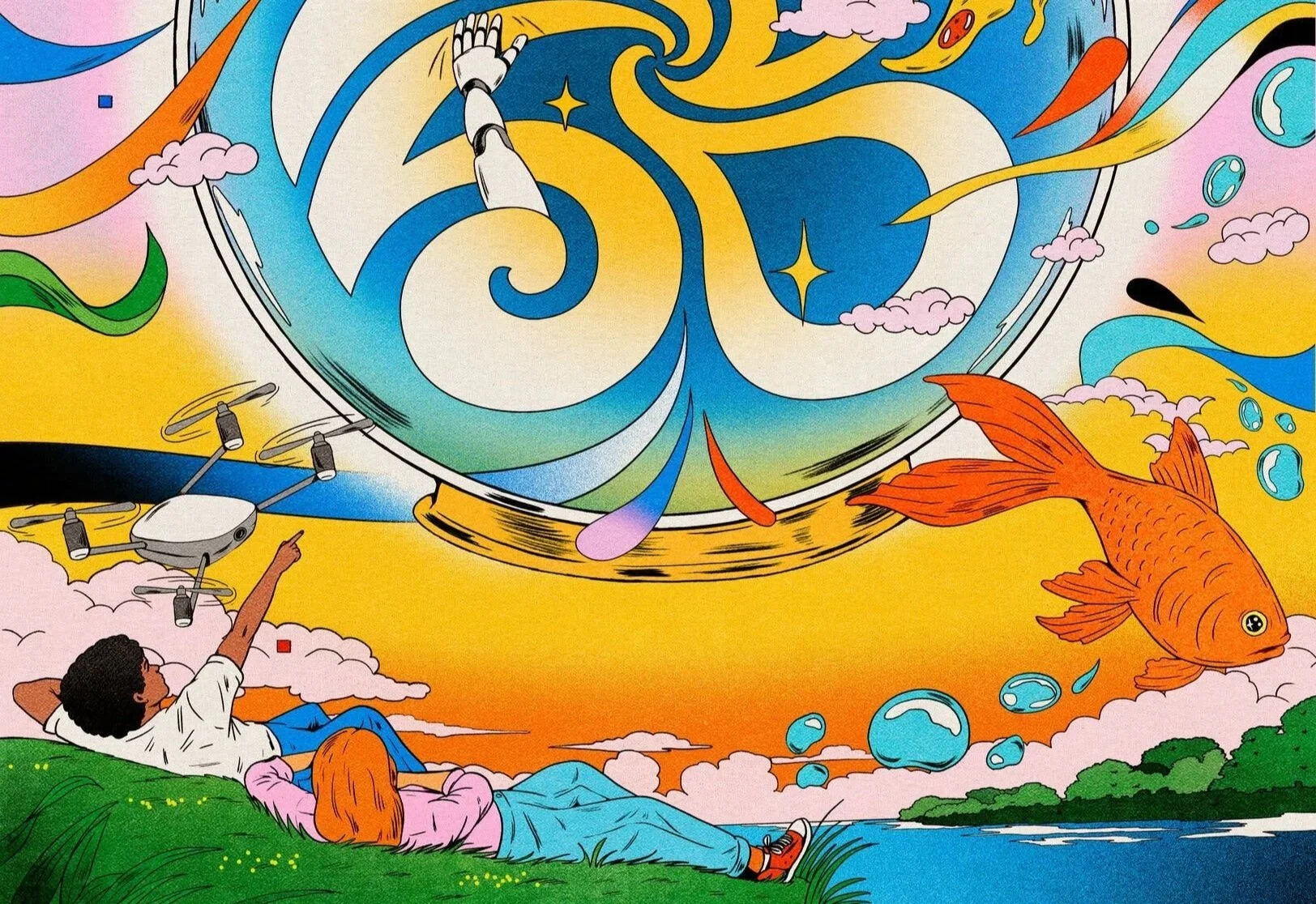
What do ten-year-olds think the world will look like in 2050? Instead of asking futurists, this article asked children who will be 34 by then. Their predictions range from robot butlers and mind-reading technology to concerns about war, inequality, jobs and the future of human relationships.
Some answers are funny, others very serious. What stands out is how much children are thinking about the challenges of today. Their hopes and concerns reflect the world they are growing up in and shape Gen Alpha as a generation, their identity, memories and what they will look back on with nostalgia.
You can read more here
A Future Difficult to Imagine
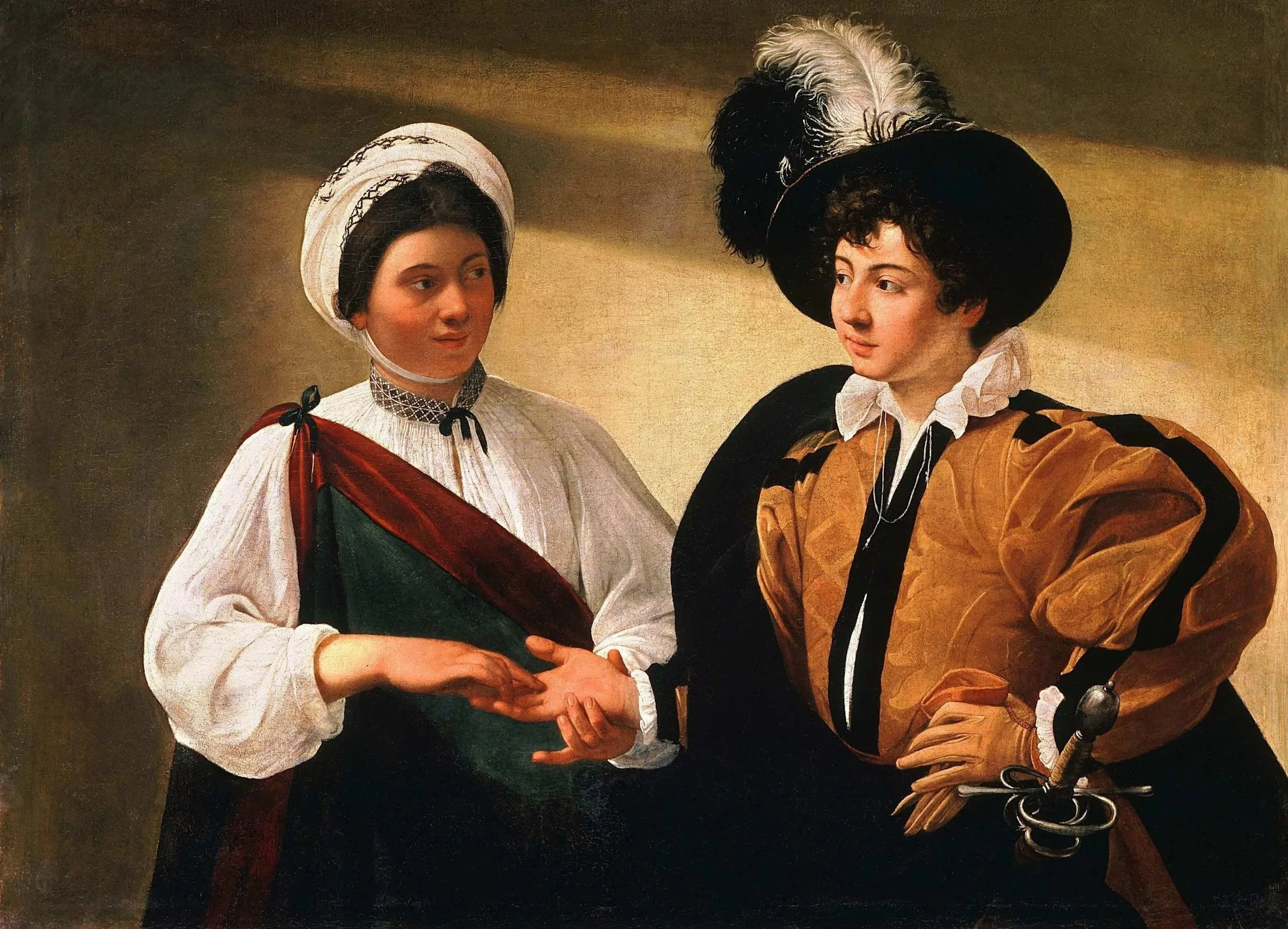
We spend a lot of time trying to understand what comes next. We look for signals, anticipate change and think about how to prepare for the future. With so much uncertainty in the world, talking about imagined futures can become a way to avoid today's realities, creating visions of progress that benefit only a small group rather than society as a whole.
In a recent Financial Times essay, writer Enuma Okoro explores this question through three paintings about fortune-telling, uncertainty and everyday life. She writes that the future is shaped by the small decisions we make, the people we connect with and the attention we give to everyday life, and not to let the uncertainty of what comes next distract us from the life we are living.
You can read more here
All That Shines
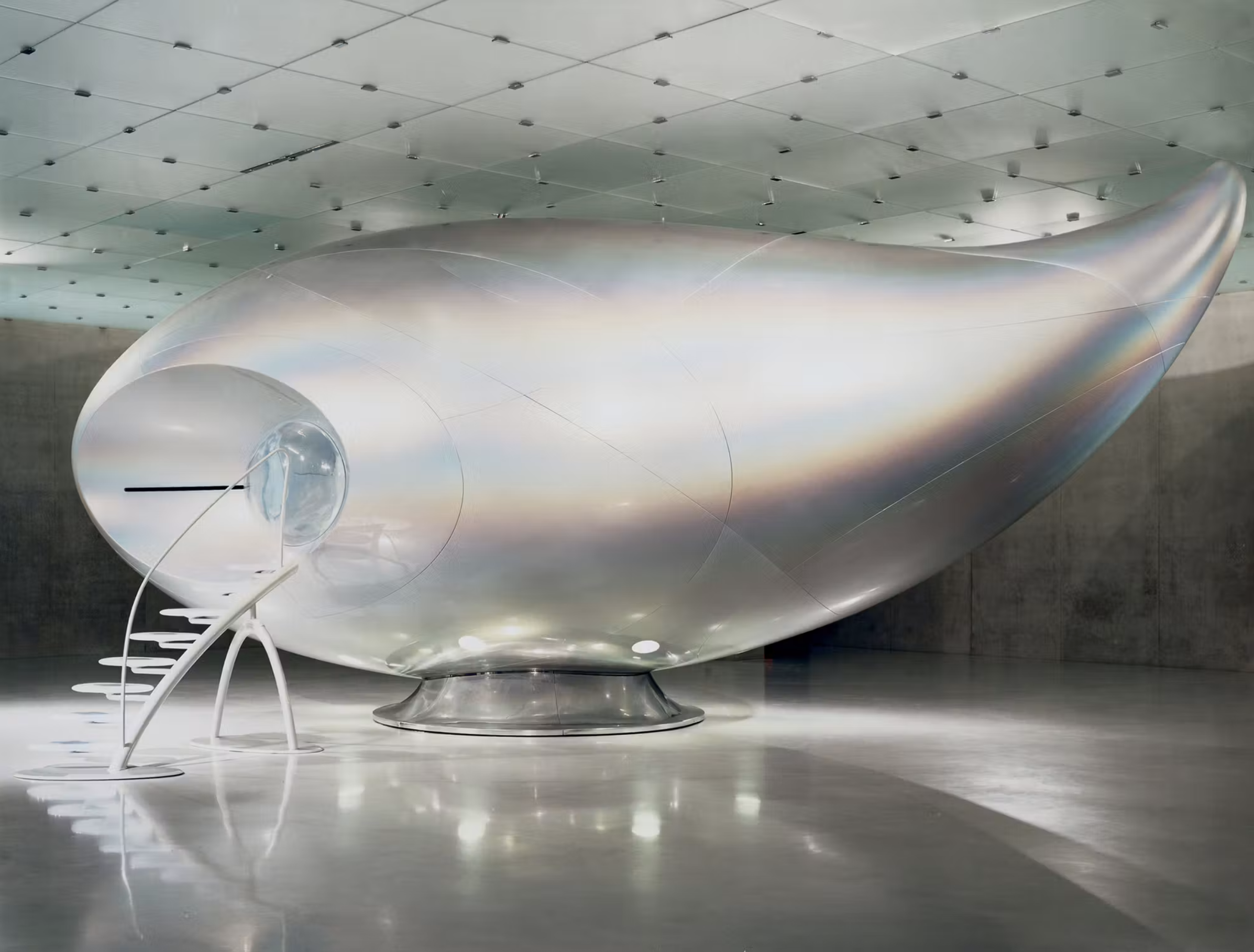
Japanese artist Mariko Mori has always explored the relationship between technology, nature and human consciousness. Her exhibition at the Mori Art Museum in Tokyo called “All That Shines”, shows three decades of work that reflect her evolution. Asked about combining ancient knowledge with advanced technology, she responds: “Are they really opposites?” She sees both as equally valuable, saying: “Both ancient things and the latest technologies are equally precious to me.”
Over time, her work has moved beyond technology and popular culture towards more existential questions about life, consciousness and our connection with the world around us. The concept of Oneness has become central to her practice: the idea that humans, nature and the universe are interconnected. It offers a different way of looking at progress, not as a choice between the old and the new, but as an exploration of how they can exist together.
You can read more about the exhibition here
The Future of Kindness
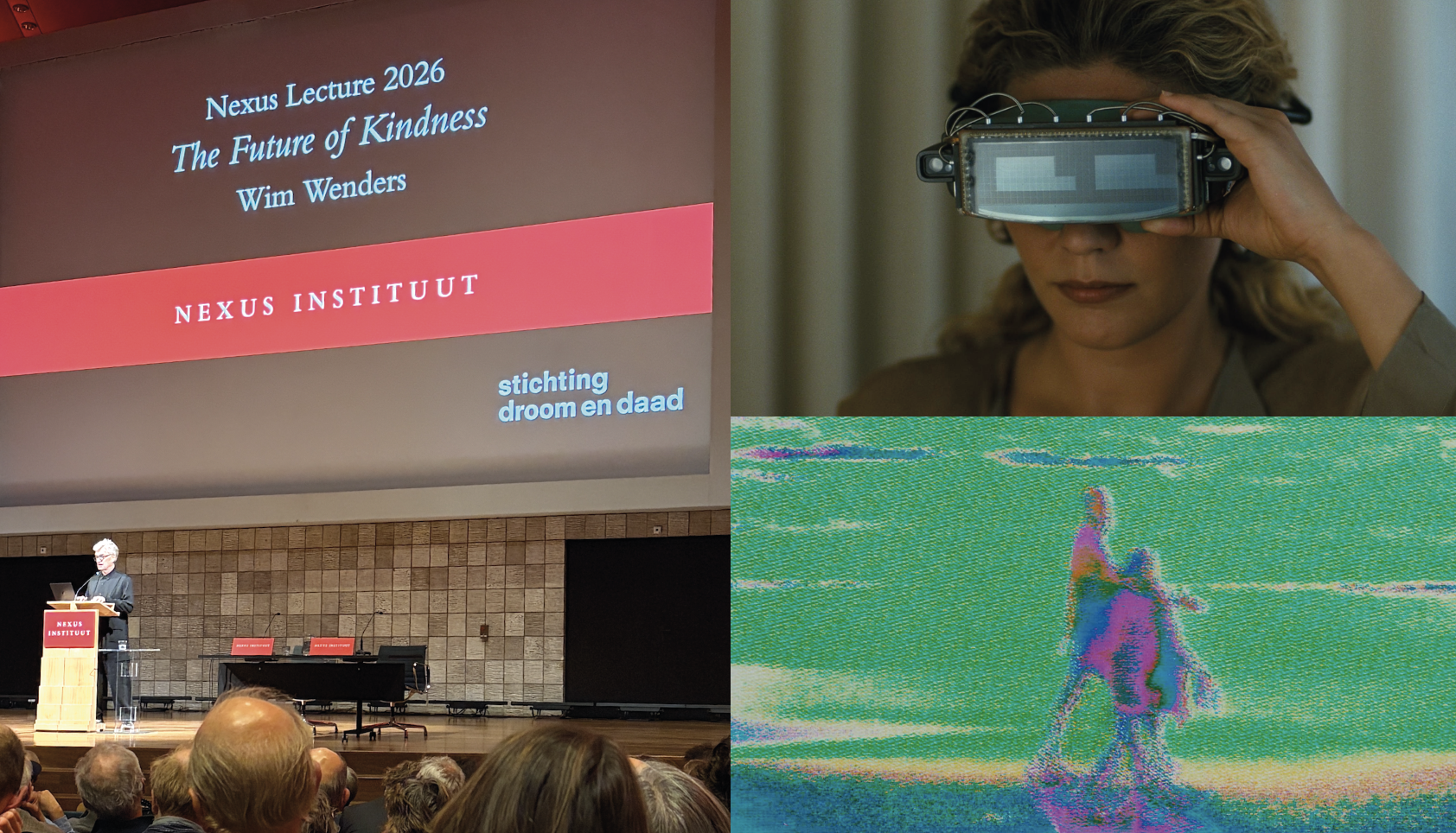
At the Lexus Institute presentation on 25 October, filmmaker Wim Wenders spoke about a subject rarely discussed when we talk about the future: kindness. Reflecting on his 1991 film Until the End of the World, and its exploration of technology, images and the human desire to see and remember, he raised a question that feels increasingly relevant today. In a world where we spend so much time looking at screens, sharing images and focusing on ourselves, are we paying enough attention to the people around us? Kindness starts with noticing others, listening and making time for one another.
This raises a question for the future of society: how can we get out of the period we are in and bring people together rather than isolate them? Progress is not only about making things smarter, faster or more efficient, but also about making everyday life more human. Perhaps this starts with a simple act: learning to see one another again.
You can see a trailer for the movie here and more about the event here
To receive the monthly newsletter subscribe below.